


Shipper | Blog
What is full truckload (FTL) shipping? How it works and when to use it
Key takeaways:
- Full truckload (FTL) shipping dedicates an entire trailer to one shipment, making it ideal for large freight volumes or time-sensitive deliveries.
- FTL shipping offers faster transit times, fewer handling points and a lower risk of freight damage compared to shared-capacity shipping.
- Businesses commonly choose FTL when shipping enough freight to fill a trailer or when shipment security and speed are priorities.
- Understanding when to use FTL versus LTL helps shippers balance transportation costs, service levels and supply chain efficiency.
Full truckload (FTL) shipping offers numerous benefits, including faster transit times, reduced handling and cost savings for high-volume freight. In this blog, we’ll explore the advantages of FTL shipping, tips for making your freight more appealing to carriers and the different types of truckload equipment available to meet your shipping needs.
What is full truckload freight shipping?
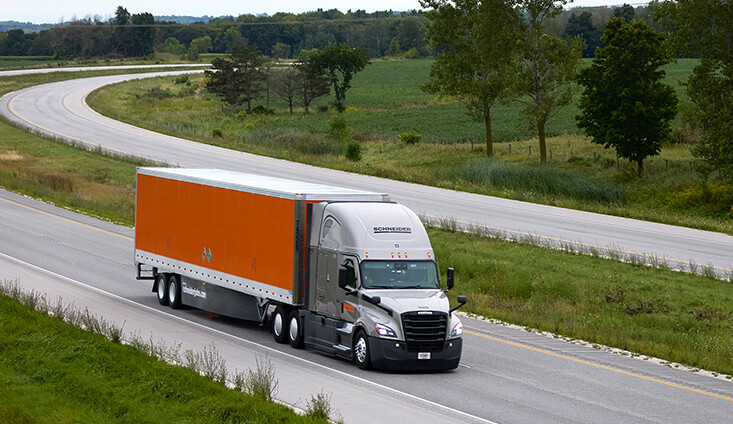
Full truckload (FTL) is over-the-road (OTR) transportation used for larger shipments that fills an entire 48’ or 53’ van trailer. This means that your freight is the only load on an individual truck, and the truck makes one shipment only.
When does full truckload (FTL) make sense for shippers?
There are weight and volume minimums with FTL. Choose FTL shipping when:
- You have enough product to fill a truck or weight needs for an entire truck
- Your freight is time-sensitive
- You want a more cost-effective freight solution than LTL
When someone does not need an entire truck to ship their product, they would use less-than-truckload (LTL) shipping. LTL shipping generally combines freight from several customers in a trailer and can include as little as one pallet of freight per shipment.
What are the benefits of full truckload shipping?
- Speed: Full truckload shipping is generally faster than LTL because the truck is traveling to one destination and doesn’t stop as frequently during the shipment.
- Less handling: Because your load is the only freight in the truck, it will be handled less than in LTL.
- Less chance of damage or theft: Your freight gets handled much less than in LTL and your shipment has the entire truck to itself, so you don’t have to worry about other cargo damaging yours.
- Cost-efficient: Full truckload is less expensive than LTL and offers cost savings for higher volumes.
How can shippers make their freight more attractive to carriers?
- Make loading and unloading freight efficient: At-the-ready gate guards, clearly marked signage, staged loads and prepared paperwork help drivers enter and exit the facility efficiently.
- Allow flexibility for pickup and delivery: Offer flexible pickup and delivery windows. Shippers who offer weekend pickup and delivery availability along with expanding appointment time options will increase the likelihood of attracting a truck in a tight market.
- Provide forward visibility: 3-5 days of lead time, with at least 24 hours of advanced notice of load ready times and accurate forecasting of anticipated surges, make freight more attractive.
- Maintain smooth volume of freight: Consistent freight patterns throughout the week help providers to have a reliable flow of equipment into and out of a facility.
What types of full truckload equipment are available?
Dry van: Fully enclosed semi-trailer that moves palletized, boxed or loose freight that isn't temperature-controlled or oversized items.
Flatbed: This trailer does not have walls and is used for oversized freight that won’t fit into a dry van or that needs to be loaded from the side.
Refrigerated: This equipment maintains specified temperatures for freight.
Boost your supply chain performance
Unlock proven strategies for efficiency with this free guide.
Related resources
Drive your business forward
Sign up to receive our industry leading newsletter with case studies and insights you can put to use for your business.