


Shipper | Blog 4 min. read
How supply chain efficiency drives competitive advantage

Key takeaways:
- Supply chain efficiency helps reduce transportation, inventory and operating costs.
- Better visibility and automation help businesses respond faster to disruptions.
- Measuring KPIs like on-time delivery, transportation cost and inventory turnover reveals improvement opportunities.
Technology, strong supplier relationships and multimodal transportation build more resilient supply chains. Supply chain costs are expected to rise to 4 percent above inflation. That means supply chain efficiency is no longer just an advantage — it’s a necessity. Businesses that streamline their supply chains can better manage costs, adapt quickly to disruptions and deliver superior service to their customers.
Improving efficiency can be the difference between falling behind and staying ahead of the competition. If you’re looking for a competitive advantage while improving profitability and customer satisfaction, you’re in the right place. This article explores supply chain efficiency fundamentals and key strategies to optimizing supply chains so your business can stay competitive.
What is supply chain efficiency?
Supply chain efficiency refers to how well a company uses people, processes and technology to move goods from Point A to Point B. An efficient supply chain minimizes waste, reduces costs and ensures reliable, timely delivery. Key components of a supply chain include procurement, production, warehousing and transportation.
Efficiency impacts profitability and customer satisfaction. A business with an efficient supply chain can fulfill orders faster, keep inventory lean and respond quickly to changing demand.
What improves supply chain efficiency?
Several key factors contribute to supply chain performance:
Technology & automation
These technologies can streamline processes, reduce human error and provide real-time visibility across the supply chain:
- AI tools
- APIs
- Transportation management systems (TMS)
- Bid technology
- Other freight shipping technologies
Collaboration
Strong relationships with suppliers, carriers and partners ensure smoother operations and fewer disruptions.
Agility
Adapting quickly to market fluctuations and disruptions is critical for long-term success.
Inventory management & forecasting
Accurate demand forecasting and balanced inventory levels prevent costly overstocks or shortages.
How do you measure supply chain performance?
Improving efficiency starts with measurement. Shippers should track and analyze performance to identify gaps and opportunities. Key performance indicators (KPIs) include:
- On-time delivery rates: Tracks how often shipments arrive as scheduled, key for customer satisfaction and reliability.
- Order accuracy: Measures how frequently orders are fulfilled without errors in quantity, product or destination.
- Transportation costs: Evaluates the total spend on freight and logistics to identify cost-saving opportunities in areas such as route design, facility management and staffing models.
- Inventory turnover: Indicates how efficiently inventory is sold and replaced, helping reduce excess stock and storage costs.

Why is supply chain visibility important?
Having visibility into your supply chain is crucial to measuring its performance. Some technologies provide real-time data and system integration that help shippers monitor, analyze and optimize their operations. Examples include:
- Transportation Management Systems (TMS)
- Warehouse Management Systems (WMS)
- Application Programming Interfaces (APIs)
By improving visibility across shipments, inventory and workflows, these technologies enable faster decision-making and more accurate performance measurement — key drivers of supply chain efficiency.
With consistent measurement, shippers can take proactive steps to address inefficiencies and strengthen their supply chain performance.
What are the challenges of creating efficient supply chains?
Today’s supply chains face unprecedented pressure. Inflation is driving up costs for raw materials, transportation and labor. Efficiency is critical, but several challenges stand in the way.
- Global complexity: Modern supply chains span countries, regulations and partners, making standardization difficult. Geopolitical instability creates uncertainty.
- Frequent disruptions: Natural disasters, cyberattacks and labor strikes can halt production or delay shipments.
- Rising customer expectations: E-commerce growth has set a new standard for fast delivery, real-time tracking and easy returns. Many supply chains are still building these capabilities.
- Lack of visibility: Without end-to-end supply chain visibility, companies are at risk of product loss, customer disapproval and lost revenue.
- Manual processes: Paper-based workflows and legacy systems slow decisions and increase errors.
- Inventory and forecasting issues: Weak data integration and misaligned planning can cause poor demand forecasting. This can lead to costly excess stock or damaging shortages.
- Scalability barriers: Siloed teams and rigid systems limit growth and cross-partner collaboration.
- Technology gaps: Without advanced tools like AI or a robust TMS, companies struggle to automate tasks or make proactive, data-driven decisions.
- High costs: Inefficiencies drive up labor, shipping and operating expenses. Inflation amplifies financial strain.
Companies that lack visibility, automation or reliable forecasting often experience higher costs and slower response times.
8 strategies to enhance supply chain efficiency
Improving supply chain efficiency requires a data-driven approach that unites people, processes and technology. Successful shippers use these key strategies to build more agile and resilient operations:
Network optimization
Design efficient shipping patterns, strategically place distribution centers and evaluate tradeoffs by testing different business scenarios.
Visibility
Use advanced tracking and monitoring tools to protect cargo, increase agility and address disruptions.
Technology
Use tools like TMS, WMS and APIs to capture data, streamline processes and improve decision-making.
Supplier relationships
Strengthen and diversify partnerships by setting clear expectations, reviewing performance and ensuring alignment on turnaround times.
Inventory efficiency
Optimize stock levels with forecasting, real-time data and predictive tools to lower costs and reduce waste.
Scenario planning
Use digital “what-if” models to prepare for disruptions, protect service levels and optimize carrier selection.
Process mapping
Document workflows to uncover bottlenecks, clarify roles and drive continuous improvement through data-driven collaboration.
Multimodal transportation
Build flexibility with multiple transport modes to increase resilience, scalability and efficiency.
What are the benefits of achieving supply chain efficiency?
Supply chain efficiency is essential for staying competitive. With rising costs and customer expectations, especially around on-time delivery, businesses must streamline operations to meet demand and avoid losing customers to faster alternatives.
An efficient supply chain delivers:
- Lower costs
- Customer loyalty
- Sustainability
- Agility
- Risk control
- Stronger partnerships
- Resilience
Greater supply chain efficiency drives greater performance, protects margins and positions businesses to thrive in a volatile market.
Supply chain efficiency is key to staying competitive
Supply chain efficiency is more than just a buzzword — it’s a strategic imperative. With the right strategies in place, businesses can build resilient and competitive supply chains.
While efficiency drives performance, true resilience and agility in today’s supply chains begin with visibility. Discover the benefits and steps to achieving supply chain visibility.

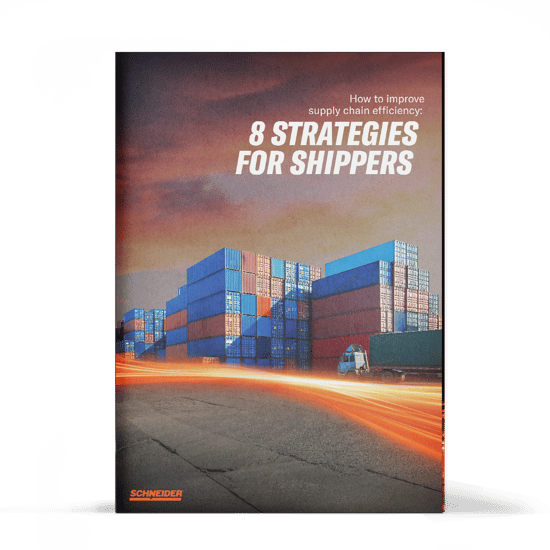
Boost your supply chain today
For more tips on how to improve supply chain efficiency, check out our free guide.
Related resources
Drive your business forward
Sign up to receive our industry leading newsletter with case studies and insights you can put to use for your business.